Daylight, light and the hour you book
Morning flights, and why they go first
Early slots fly more often and photograph better — in every season.
Two things move through the year here: how many hours of daylight you get, and what the light does inside them. Midsummer gives long evenings; midwinter compresses the whole day into a short bright window. For flying, that window is the constraint, and it is why winter schedules are tighter than summer ones.
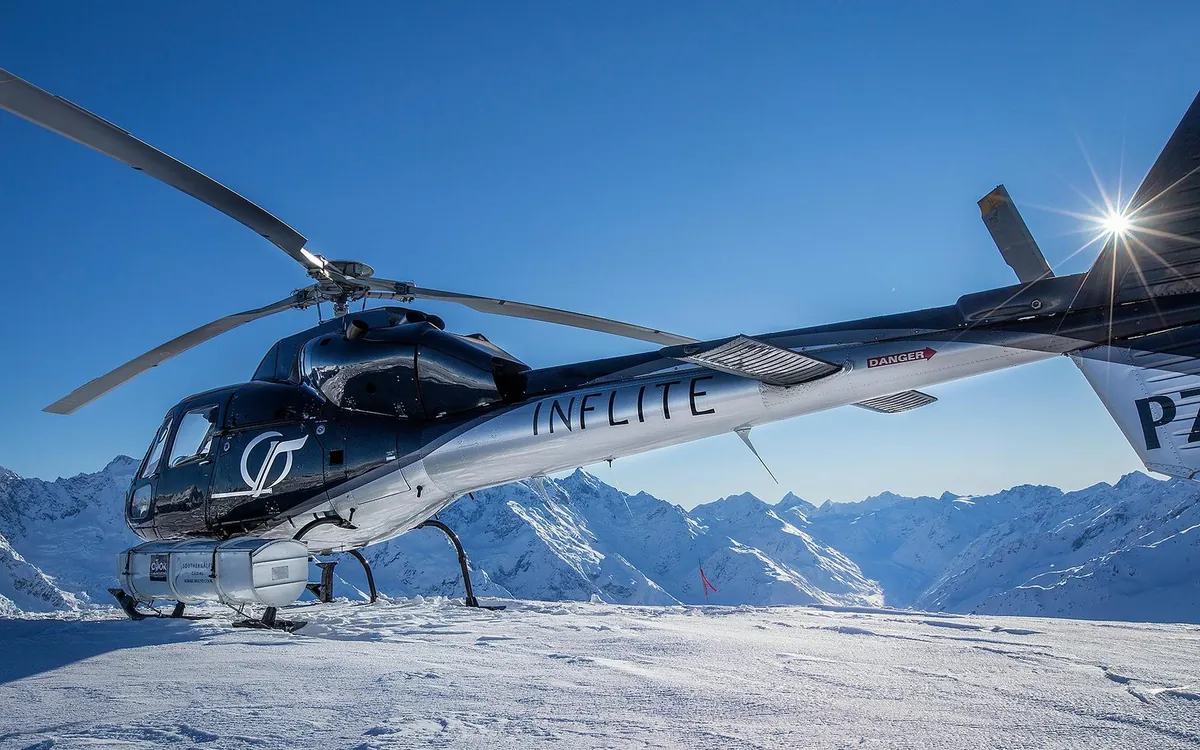
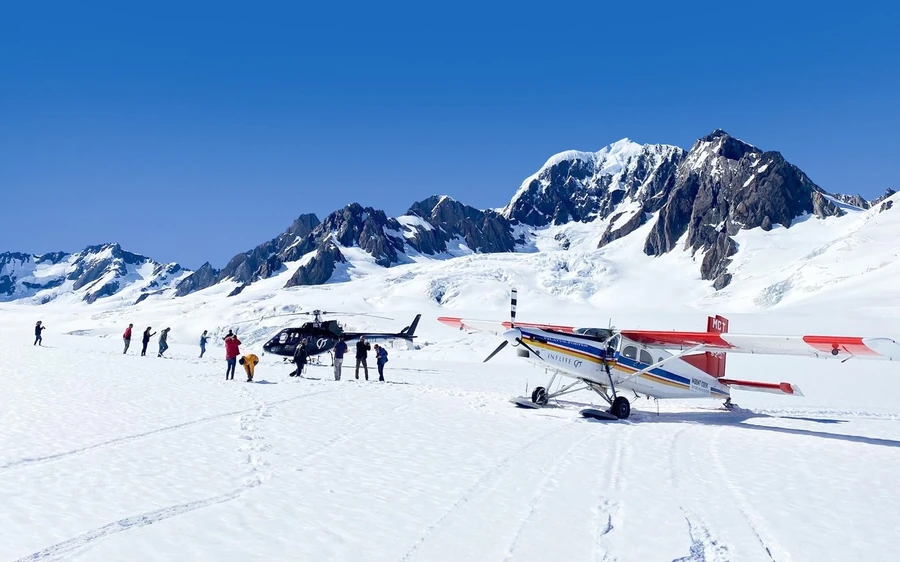
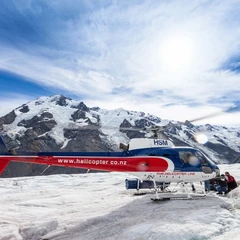
Within any day, mornings are generally the better bet. Air tends to be calmer earlier, and if a morning flight is stood down there is often a chance of getting out later; if an afternoon one is cancelled the day is usually finished. Operators know this, which is why early slots on the heli hikes are the first to go.
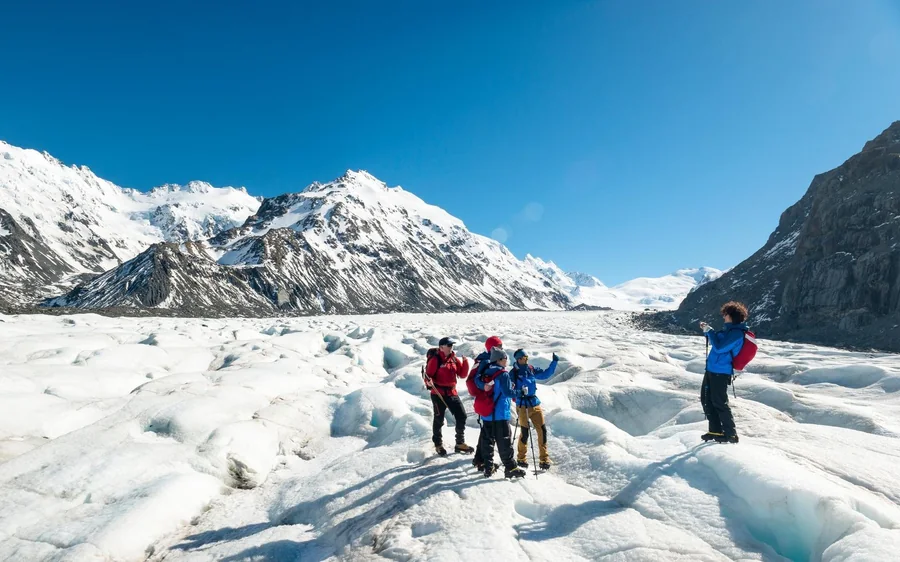
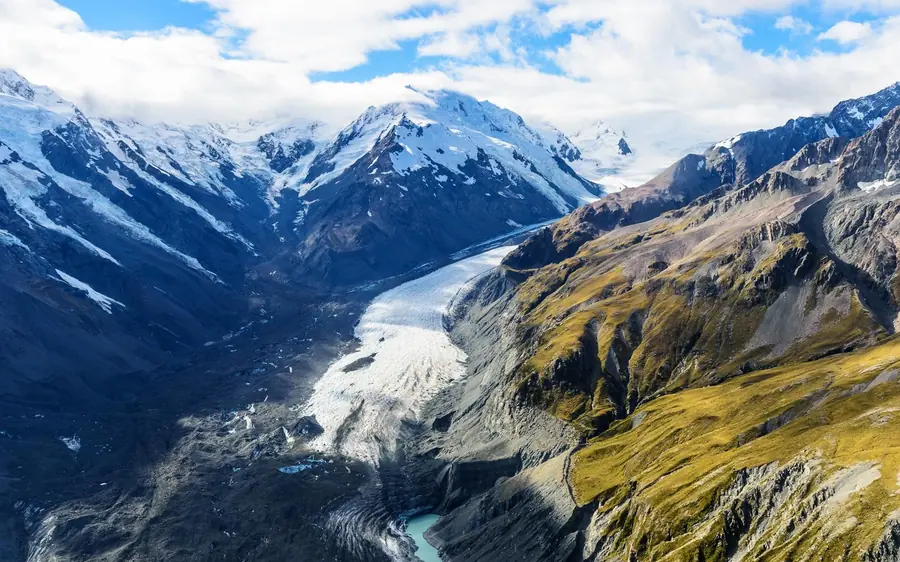
Light is the other half. In autumn and winter the sun sits lower, the valley walls throw longer shadows, and the contrast between the white of the glacier and the grey of the moraine is sharper. In midsummer the middle of the day is flat and bright. If photographs matter to you, the shoulder seasons and the early slots are doing two jobs at once.
One practical note for drivers: in winter the alpine roads can need care, and the transfers exist partly for that reason. The one-way run from Christchurch at $129 takes eight hours with Lake Tekapo and Lake Pukaki on the way, and the full day trip at $200 handles the driving in both directions.